Soil Moisture Detection Humidity Sensor
50.00 EGP
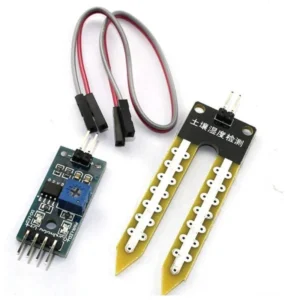
Buy the Soil Moisture Detection Humidity Sensor for Arduino and microcontrollers. Perfect for smart irrigation, gardening, IoT farming, and environmental monitoring projects. Features analog & digital outputs with adjustable sensitivity.
Description
Soil Moisture Detection Humidity Sensor for Arduino and Microcontroller Projects
The Soil Moisture Detection Humidity Sensor is a simple, affordable, and highly effective tool for monitoring the moisture level in soil. Designed for Arduino, Raspberry Pi, ESP8266, ESP32, and other microcontroller platforms, this sensor makes it easy to build smart agricultural systems, gardening automation, and educational projects. Whether you’re developing an IoT-based smart irrigation system or experimenting with environmental monitoring, this sensor is an essential component.
By measuring the resistance between its probes, the sensor detects the moisture content of the soil and provides an analog or digital output signal. With its compact design and easy interface, it is widely used in DIY electronics, smart farming, hydroponics, and environmental monitoring systems.
Key Features
-
Simple and Easy to Use: Just connect to Arduino or Raspberry Pi for instant soil moisture readings.
-
Analog and Digital Outputs: Provides both continuous analog signals and digital threshold-based output.
-
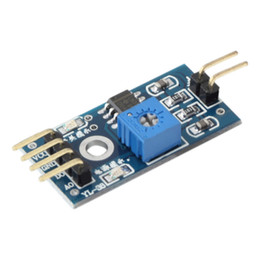
Adjustable Sensitivity: On-board potentiometer allows fine-tuning for different soil types.
-
Compact Design: Lightweight and easy to insert directly into the soil.
-
Low-Cost Solution: Affordable and practical for both learning and real applications.
-
Wide Compatibility: Works with Arduino, ESP8266, ESP32, Raspberry Pi, and other microcontrollers.
-
Power Efficient: Operates at low voltage, making it ideal for battery-powered projects.
Applications
The Soil Moisture Detection Humidity Sensor is versatile and can be used in a wide variety of projects and industries:
1. Smart Irrigation Systems
Automatically water plants when the soil is dry, saving time, water, and effort.
2. Greenhouse and Indoor Gardening
Monitor and control soil conditions to maintain optimal growth environments.
3. IoT Smart Agriculture
Integrate with IoT platforms to collect and analyze real-time soil data for precision farming.
4. Hydroponics and Research Projects
Use in experiments where soil and water balance are critical for growth analysis.
5. DIY Electronics and Education
Great for students and hobbyists learning about sensors, electronics, and automation.
Advantages of the Soil Moisture Sensor
-
Cost-Effective: Provides reliable results at an affordable price.
-
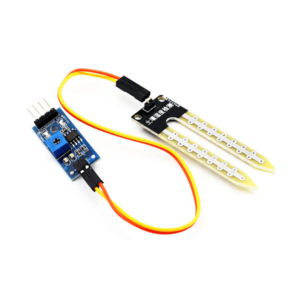
Easy Integration: Standard 4-pin interface makes it plug-and-play with microcontrollers.
-
Customizable: Adjustable sensitivity for various soil conditions.
-
Dual Output Options: Analog readings for precision, digital signal for simple thresholds.
-
Ideal for Learning: Perfect for beginners exploring Arduino projects.

Technical Specifications
-
Operating Voltage: 3.3V – 5V DC
-
Output:
-
Analog (A0) – Varies with soil moisture level
-
Digital (D0) – Triggered at preset threshold
-
-
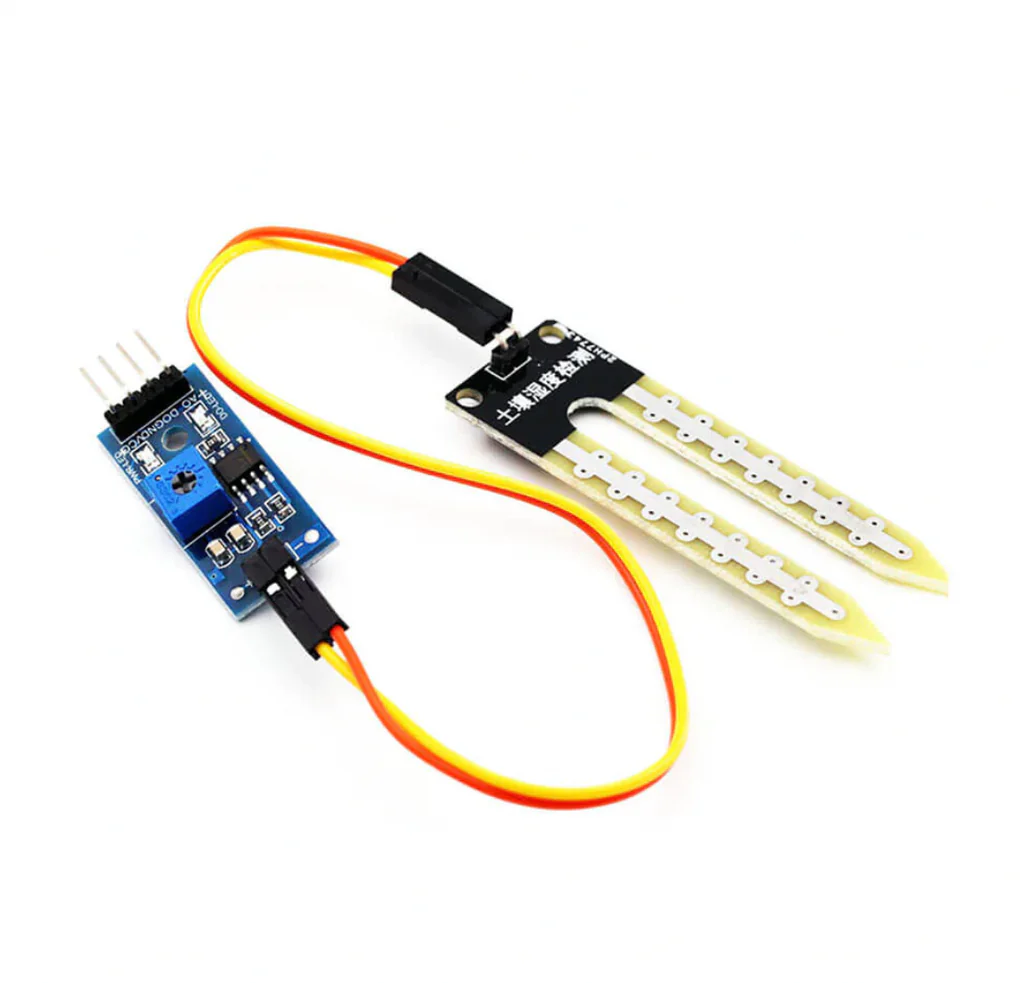
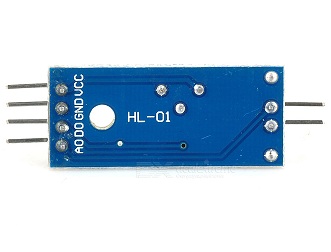
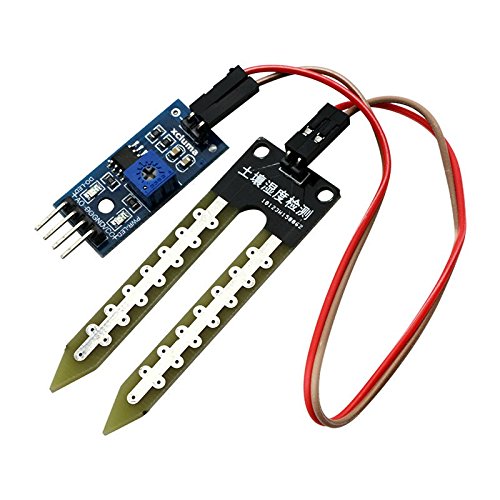
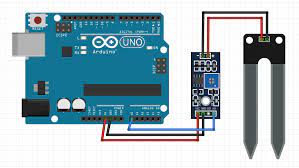
Interface: 4-pin (VCC, GND, A0, D0)
-
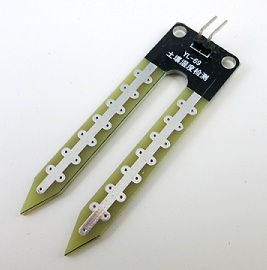
Working Principle: Resistance measurement between two probes
-
Module Size: Compact and easy to embed in soil
-
Adjustment: On-board potentiometer for threshold tuning
-
Compatibility: Arduino, ESP32, ESP8266, Raspberry Pi, and more

How It Works
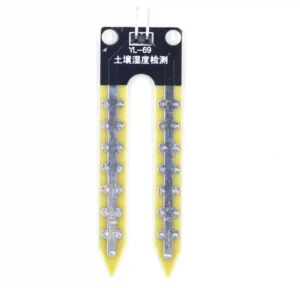
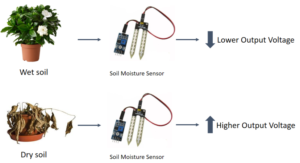
The Soil Moisture Detection Humidity Sensor uses two conductive probes that are inserted into the soil. The resistance between these probes changes depending on the soil’s moisture content. When the soil is wet, it conducts electricity more easily, resulting in lower resistance. Conversely, dry soil has higher resistance.
-
Analog Mode: The sensor outputs a continuous voltage signal corresponding to the soil’s moisture level. This allows microcontrollers to measure exact values for advanced control.
-
Digital Mode: When the soil moisture drops below a certain threshold (set by the potentiometer), the sensor outputs a digital HIGH or LOW signal, which can directly trigger an action like turning on a water pump.
This dual functionality makes the sensor flexible for both simple and advanced applications.

Why Choose This Sensor?
The Soil Moisture Detection Humidity Sensor is an essential component for anyone interested in smart gardening, precision agriculture, or environmental monitoring. Its low cost, ease of use, and versatility make it suitable for beginners, students, and professionals alike. By integrating this sensor into your project, you can conserve water, ensure plant health, and automate irrigation with minimal effort.
Example Use Case
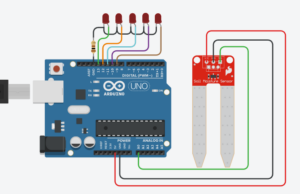
Imagine a smart plant pot system where this sensor is connected to an Arduino board. When the soil moisture drops below a certain level, the Arduino activates a relay to turn on a small water pump, automatically watering the plant. Data can also be sent to a smartphone app for remote monitoring using Wi-Fi or Bluetooth. This kind of system not only saves water but also ensures plants are always kept in optimal conditions.
Conclusion
The Soil Moisture Detection Humidity Sensor is a simple yet powerful device for monitoring soil water content. With its analog and digital outputs, adjustable sensitivity, and compatibility with Arduino and microcontrollers, it is perfect for a wide range of applications from DIY gardening projects to advanced IoT smart farming systems. Whether you are a hobbyist, student, or professional, this sensor provides the accuracy and functionality needed for effective soil moisture monitoring.